Recovering from a stroke involves more than physical therapy. Brain exercises for stroke recovery, such as journaling and storytelling, play a key role in rebuilding strength, improving memory, focus, and coordination. Combining mental and physical activities can help survivors regain independence and confidence.
Close to 800,000 people experience a stroke in the United States each year, according to the NIH, highlighting the importance of effective recovery strategies.
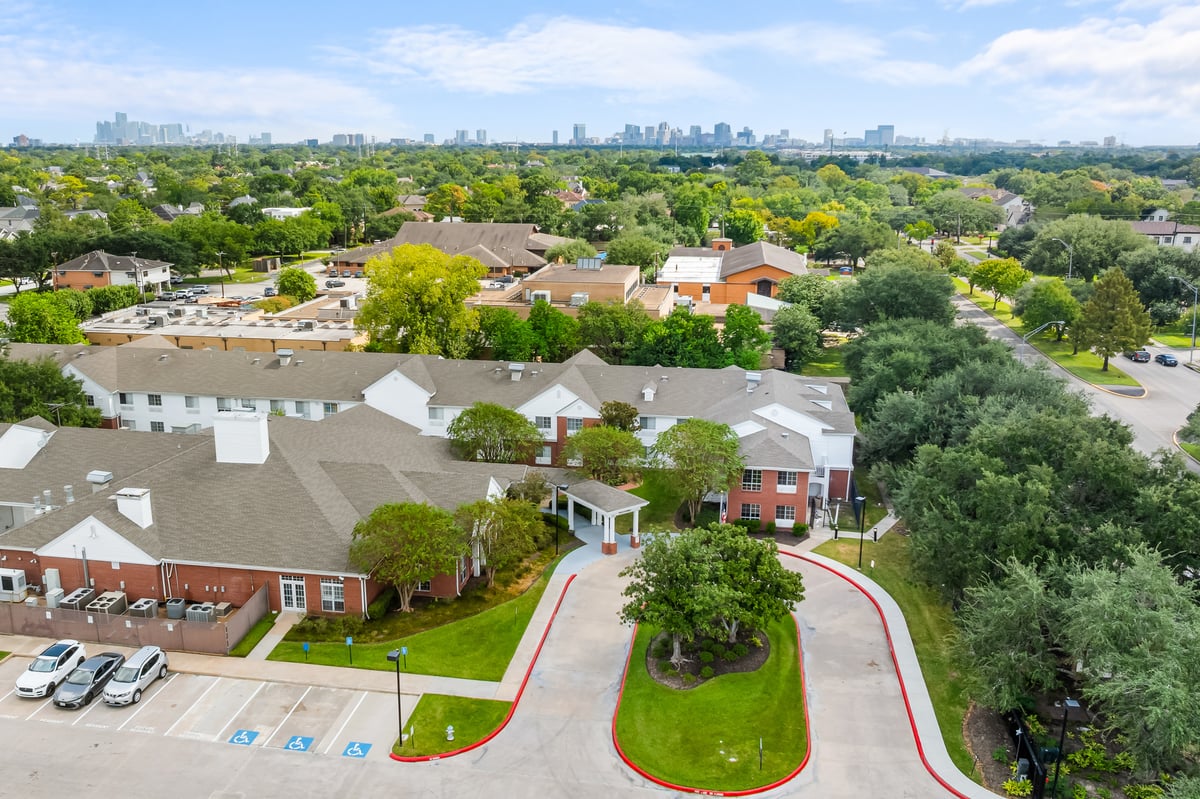
At The Gardens of Bellaire, our senior living community in Bellaire, TX, we support residents with personalized wellness programs that encourage memory and movement.
In this blog post, we'll share practical stroke rehab tips, explain how to strengthen your brain after a stroke, explore recovery expectations, and provide daily exercises that help rebuild cognitive and physical skills.
How to Strengthen Your Brain After a Stroke?
After a stroke, the brain can adapt and rewire itself through neuroplasticity. Gentle cognitive exercises can help rebuild connections and improve daily functioning. Activities like puzzles, memory games, reading aloud, and problem-solving tasks stimulate mental activity and support recovery.
Physical movement also plays a role in strengthening brain function. Simple exercises, walking, stretching, and chair yoga can improve coordination, blood flow, and focus. Combining mental and physical activity enhances overall recovery.
At The Gardens of Bellaire, we provide structured programs that incorporate brain exercises, social engagement, and wellness activities to support residents recovering from stroke. These programs encourage small, consistent steps that promote independence and confidence.
Consistency matters more than intensity. Regular, short sessions of mental and physical exercises are often more effective than occasional long sessions, helping survivors regain strength gradually while reducing frustration.
Can a Mild Stroke Patient Recover Fully?
Recovery from a mild stroke is possible, but it varies depending on factors like age, overall health, and how quickly rehabilitation begins. Early intervention and regular exercise can significantly improve outcomes.
Even after a mild stroke, survivors may notice:
- Memory gaps
- Fatigue
- Difficulty with coordination
Addressing these challenges early with both cognitive and physical exercises increases the chances of regaining independence.
Supportive environments help recovery. Communities like The Gardens of Bellaire offer daily activities, wellness programs, and staff guidance to ensure residents stay active while following personalized routines.
While full recovery is possible, some lingering effects may remain. Patience, small daily steps, and ongoing engagement in brain and physical exercises are key to maximizing improvement over time.
Practical Brain Exercises for Daily Life
Simple daily exercises can help stroke survivors to rebuild:
- Strength
- Coordination
- Cognitive function
Memory exercises like recalling lists, repeating words, or storytelling stimulate the mind.
Hand-eye coordination tasks such as stacking blocks, catching a soft ball, or doing gentle crafts improve motor skills and focus. Word and number games challenge the brain while encouraging problem-solving.
Journaling or describing daily activities aloud can also reinforce memory and communication skills. Incorporating these exercises into a consistent routine ensures steady progress.
Small, manageable sessions are most effective. Doing a few exercises each day builds habits, reinforces neural pathways, and encourages confidence, helping survivors regain control over daily tasks and activities.
Lifestyle Tips to Support Stroke Recovery
Recovery is supported by overall lifestyle habits. A balanced diet, proper hydration, sufficient sleep, and stress management all contribute to brain and body healing.
Social interaction and engagement in meaningful activities stimulate cognitive function and improve mood. Spending time with friends, family, or participating in group exercises enhances recovery.
At The Gardens of Bellaire, residents benefit from chef-prepared meals, structured wellness programs, and engaging community events that encourage physical and mental activity.
Creating a consistent daily routine that combines cognitive exercises, physical movement, and social engagement supports stroke rehab goals. Small, intentional steps every day make a meaningful difference in rebuilding strength and independence.
Frequently Asked Questions
What Is Cognitive Recovery After a Stroke?
Cognitive recovery refers to regaining thinking skills, memory, attention, and problem-solving abilities lost after a stroke. Exercises that challenge the brain, such as memory games, puzzles, or reading aloud, can support cognitive recovery over time.
Combining mental activities with physical movement improves overall progress and helps survivors regain independence.
How Soon Should Stroke Exercises Begin?
Starting exercises as soon as medically safe is important. Early intervention can boost recovery and prevent complications.
It's important to always follow your doctor or therapist's guidance to ensure exercises are safe for your condition.Small, consistent steps each day are often more effective than long, infrequent sessions.
Can Physical Activity Improve Brain Health in Seniors?
Yes. Physical activity increases blood flow to the brain, supporting cell function and promoting brain health in seniors.
Gentle exercises like walking, stretching, or chair yoga can also improve coordination and balance, which complements cognitive exercises for a more complete recovery.
Are There Risks to Home-Based Brain Exercises?
Most exercises are safe, but it's important to match activities to your abilities. You should avoid overexertion or tasks that risk injury.
Supervised programs, whether in a rehab center or senior living community, provide guidance and help prevent setbacks.
How Long Does Rebuilding After a Stroke Take?
Recovery timelines vary. Some improvements appear in weeks, while others take months. Consistent practice, therapy, and a supportive environment increase the chances of meaningful progress.
It's important to celebrate small gains, as they indicate the brain is relearning skills and strengthening connections.
How Can Families Support Recovery?
Families can encourage participation in daily exercises, provide reminders, and celebrate progress. Engaging in social activities and interactive games also supports mental stimulation.
Senior living communities, like The Gardens of Bellaire, offer structured programs and guidance to make stroke recovery safer and more effective.
Effective Brain Exercises for Stroke Recovery
Brain exercises for stroke recovery are essential for rebuilding strength, improving memory, and regaining independence.
At The Gardens of Bellaire, our senior living community just 12 miles from central Houston, provides a supportive, engaging environment for recovery. Our GLOW Memory Care program is specifically designed to assist older adults dealing with cognitive issues, offering structured activities, social engagement, and personalized care.
With chef-prepared meals, wellness programs, and a welcoming community, residents have every tool for success. Schedule a tour to see how The Gardens of Bellaire can help you or your loved one.